Vakhushti Batonishvili (ვახუშტი ბატონიშვილი) describes „ციხე ბერიძისა“ [rendering: the castle of Beridze]. It is a cultural heritage monument (no. 16793), and the literature suggests it stood in the village of Dzimiti (ძიმითი). Joseph-Nicolas Delisle's map of 1766 marks a place called “Saberitzeo” in Guria, between Baileti (ბაილეთი) and Ozurgeti (ოზურგეთი), south of Jumati (ჯუმათი). In Meskheti there is the historic village of Erkota (ერკოტა), and in Imereti a village feast, Berietoba (ბერიეთობა), is still held. Dialect dictionaries also record micro-toponyms formed from the surname.
Beridze castle
„ბახვის-წყლის შესართავს ზეით არს ციხე ბერიძისა“ [rendering: above the mouth of the Bakhvistskali stands the castle of Beridze], writes Vakhushti Batonishvili (ვახუშტი ბატონიშვილი). The literature suggests that this historic place lay in Guria, in today's village of Dzimiti (ძიმითი). A castle ruin still survives at Dzimiti, and it is an immovable cultural heritage monument (no. 16793). A small number of researchers identify this castle with Bukistsikhe (ბუკისციხე). The exact site of the castle therefore remains unconfirmed, though the main localisation still points to Dzimiti. Joseph-Nicolas Delisle's map of 1766 also marks a place called “Saberitzeo”, between Baileti (ბაილეთი) and Ozurgeti (ოზურგეთი), south of Jumati (ჯუმათი).
ბახვის-წყლის შესართავს ზეით არს ციხე ბერიძისა. სამჴრითკენ, მას ზეით ჴეობა სურები, ვენახ-ხილიანი, მოსავლიანი.
English text pending, 2026-09-30
Evidence
- B-028 A
ვახუშტი ბატონიშვილი, in his 18th-century "აღწერა სამეფოსა საქართველოსა" (ქართლის ცხოვრება, vol. IV, p. 790), records a castle of the family in გურია: „ბახვის წყლის შესართავს ზეით არს ციხე ბერიძისა" — "above the confluence of the ბახვისწყალი stands the castle of ბერიძე" — and lists ბერიძე among Guria's princely (თავადი) houses. Georgian reference works identify this castle and its surrounding domain (საბერიძეო) with the village of ძიმითი, where a castle ruin survives, though this localisation is an inference rather than Vakhushti's own statement. Popular accounts also report a "Saberitzeo" marked on Joseph-Nicolas Delisle's 1766 map of the region; this has not been independently verified against the map.
- B-207 not confirmed
ციხე ბერიძისა at ძიმითი, and "Saberitzeo" on Delisle's 1766 map
- 1745 A
ვახუშტი: ბერიძე among Gurian თავადები; „ბახვის წყლის შესართავს ზეით არს ციხე ბერიძისა".
- 1766 C
"Saberitzeo" on J.-N. Delisle's map of Georgia (based on Vakhushti).
- Heritage register A
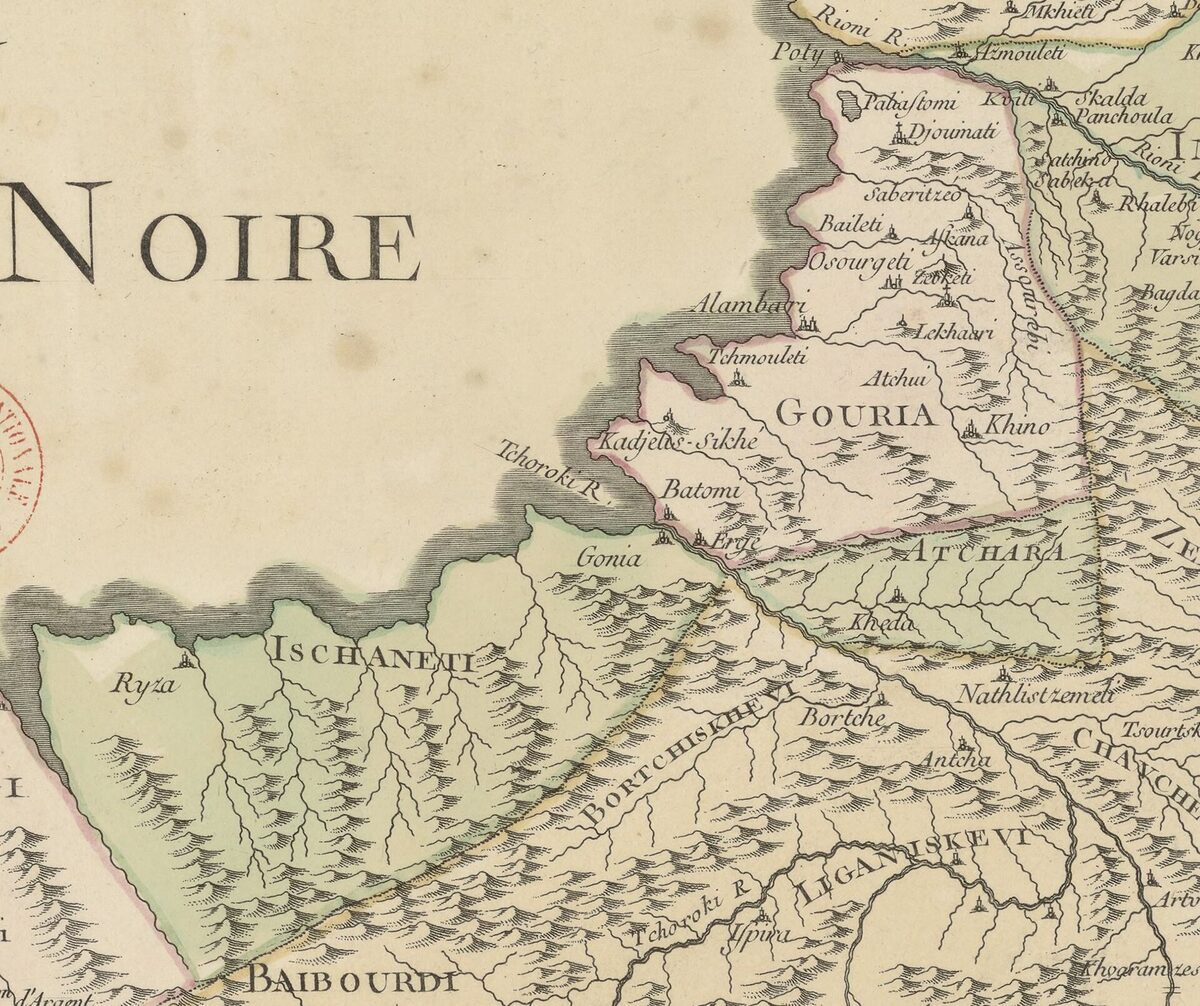

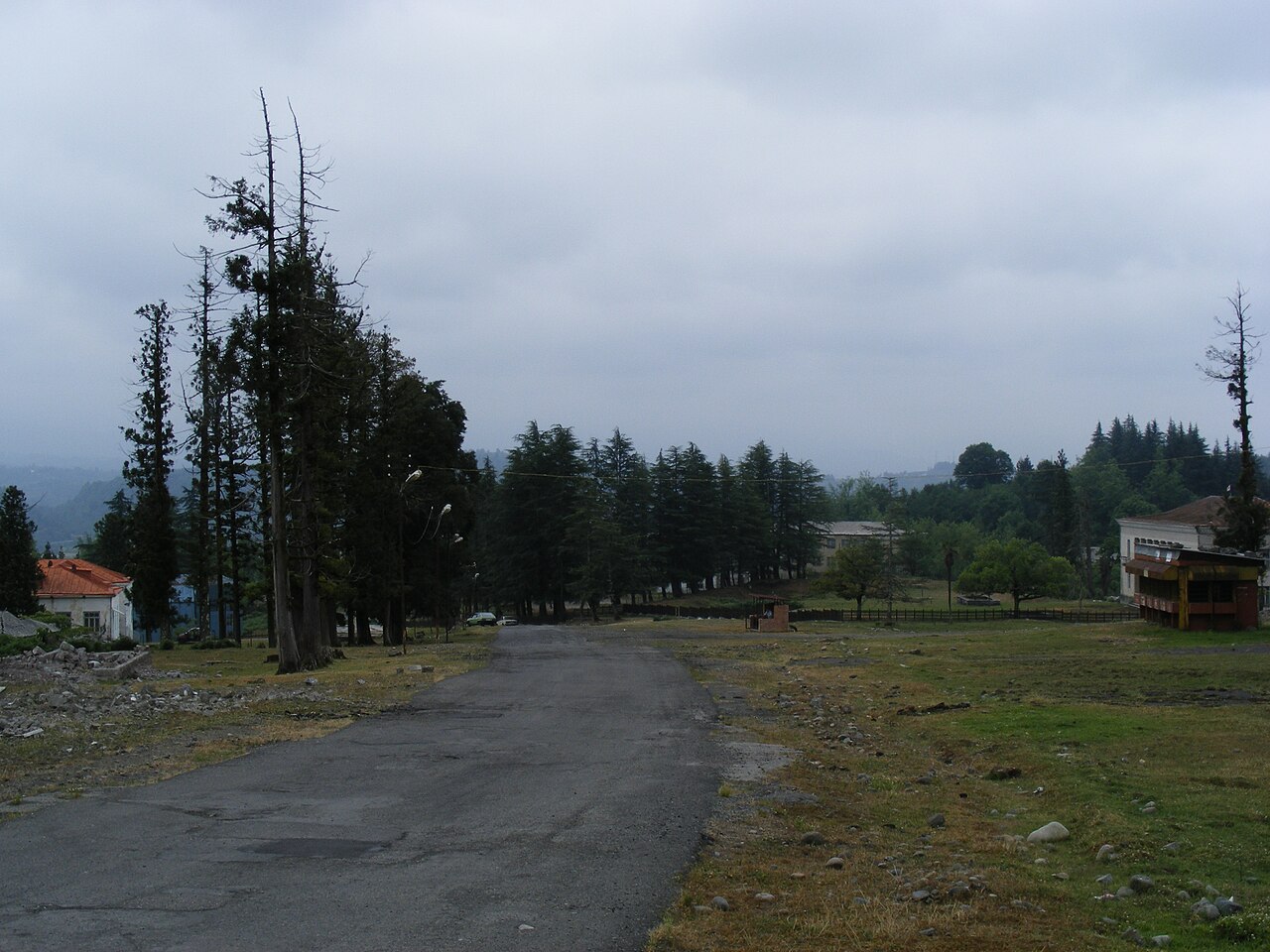

„Saberitzeo“ on the map, for Saberidzeo (საბერიძეო)
Shrines
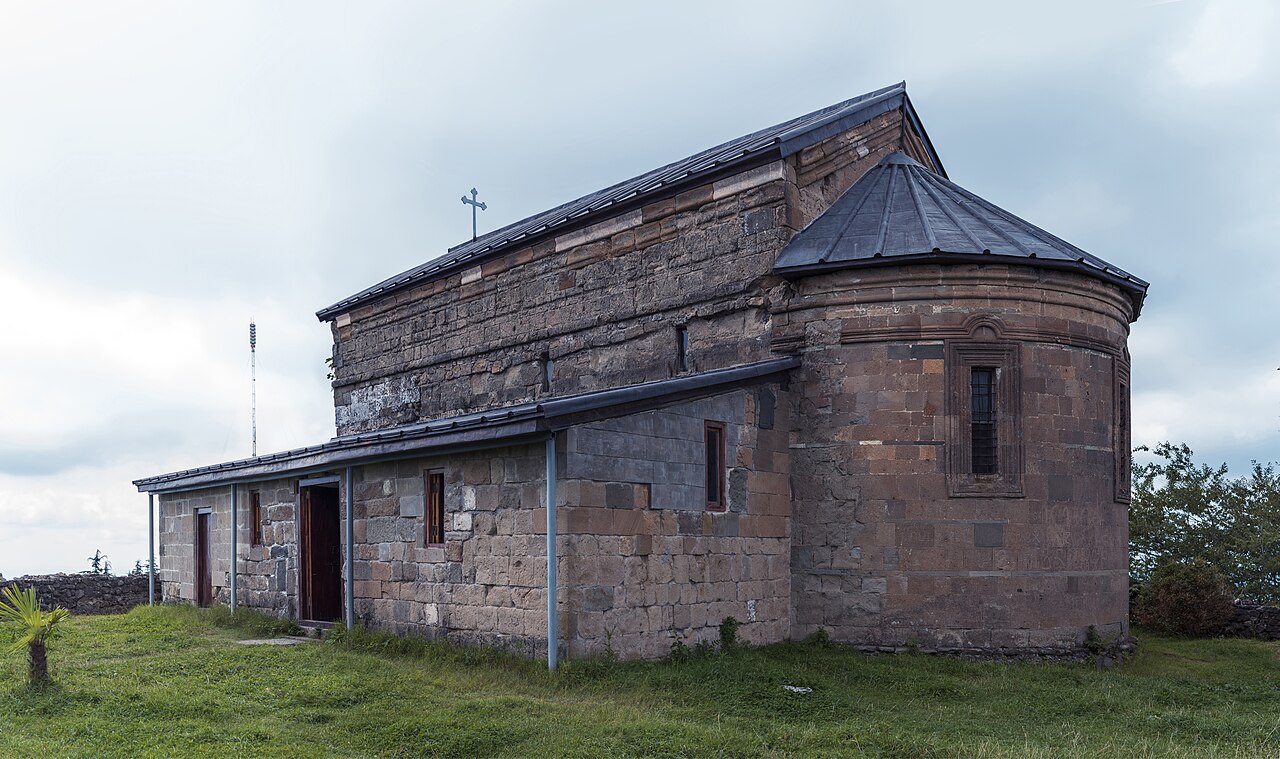
In Samegrelo, at the church of Alerti (ალერტი), an inscription of 1850 survives in which the blagochin (ბლაღოჩინი, a church district dean) Nikoloz Beridze (ნიკოლოზ ბერიძე) records the chasing of an icon of St George. At Okoni (ოქონი) in Guria, Dimitri Bakradze (დიმიტრი ბაქრაძე) recorded an inscription by Giorgi Beridze (გიორგი ბერიძე) on an icon of the Transfiguration. A longer version of it circulates on blogs, but that wording is not Bakradze's. In Baghdati (ბაღდათი) municipality in Imereti stands the hall church of Berieti (ბერიეთი), built of dressed grey sandstone (heritage monument no. 10172). Every year on 2 August the village shrine feast Berietoba (ბერიეთობა) is held here. Gorgodzes (გორგოძე) and Kokhodzes (კოხოძე) take part in it together with Beridzes. A clan feast called Beridzeoba (ბერიძეობა) is not attested.
„ქ: ნებითა ღვთისათა მე, ბერიძემან გიორგი, მოვაჭედინე წმინდა და პატიოსანი ხატი ფერისცვალებისა ჩემდა ამ სოფლის სადღეგრძელოდ და საოხად, ამინ და კირიელეისონ"
English text pending, 2026-09-30
„ქ. ნებითა ღვთისითა მე, ბერიძემან გიორგი, მოვაჭედინე წმინდა პატიოსანი ხატი ფერიცვალებისა ჩემდა ამ სოფლის სადღეგრძელოდ და საოხად, ამინ კირილეისონ."
English text pending, 2026-09-30
მთავრობასა მინგრელიასა შინა დავით ლეონის ძე დადიანისა და მღვდელ მთავრობასა ჭყონდიდელისა ანტონი მეორისა დადიანოვისასა ვიგულისმოდგინე შეკრებად მოსურნეთა მიერ კეთილ შემომწირველთაგან ალერტის ეკლესიისათა. მოვაჭედინე და შევამკობინე ხატი ესე ჩის მთავარ მოწამის გიორგისა ბლაღოჩინმან და მღვდელმან ამა ეკლესიისამან ნიკოლოზ ბერიძემ წელსა 1850
English text pending, 2026-09-30
აქ ძირითადი გავრცელებული გვარები ყოფილა: ბერიძე, გორგოძე და კოხოძე. ყოველი წლის 2 აგვისტოს ამ გვარის წამომადგენლების უმრავლესობა საგვარეულო წმინდა ადგილის მოსალოცად ზღვის დონიდან 800 მეტრზე ადის და რელიგიურ დღესასწაულს აღნიშნავს.
English text pending, 2026-09-30
Churches
- Berieti C
ბერიეთის ეკლესია · 10172
- Zesopeli D
სერაფიმ საროველის სახელობის დარბაზული ეკლესია
- B-210 not confirmed
Berietoba · 2 August
- Heritage register B
Berieti church · 10172 · ბერიეთის ეკლესია - ვიკიპედია
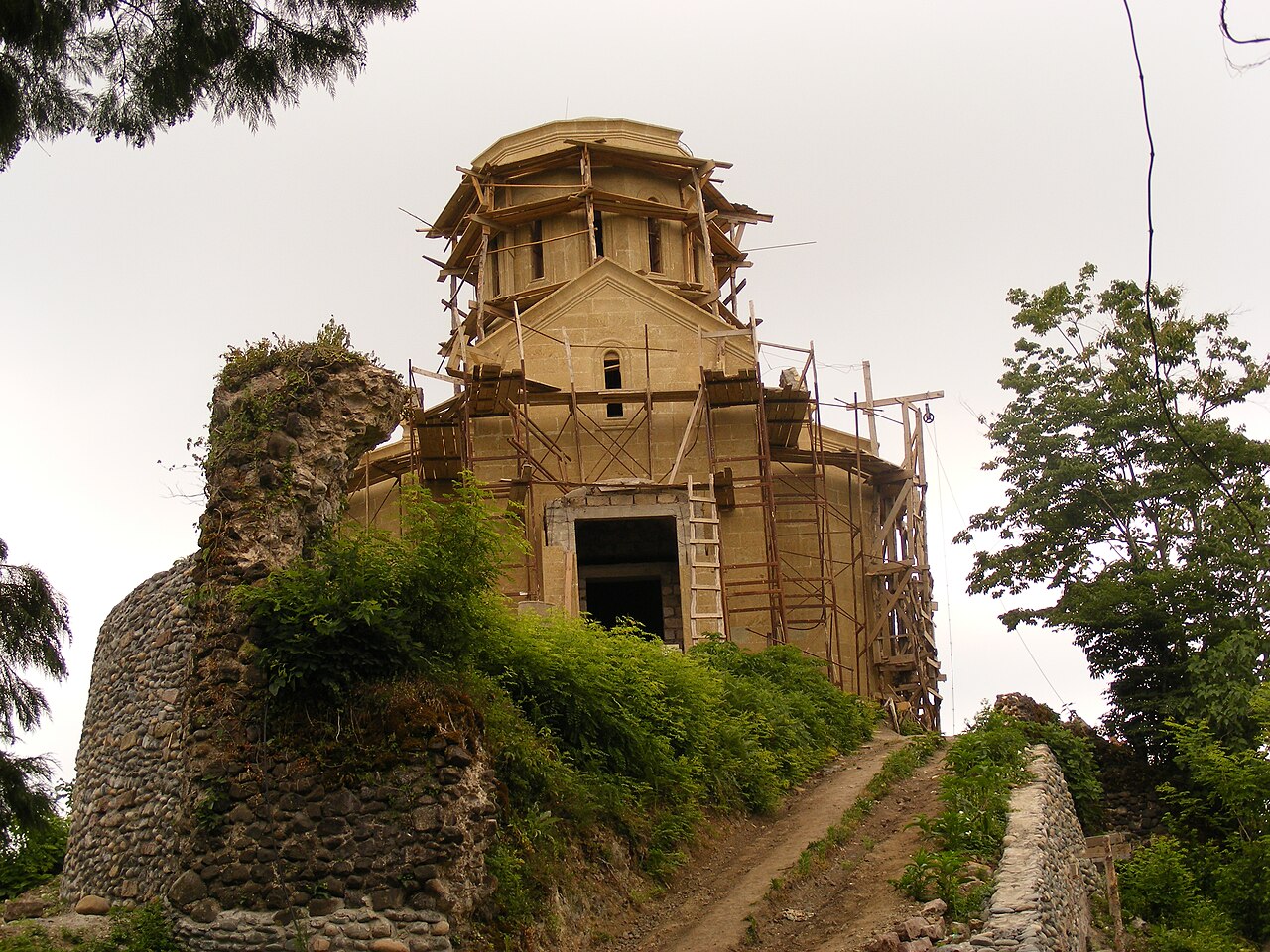


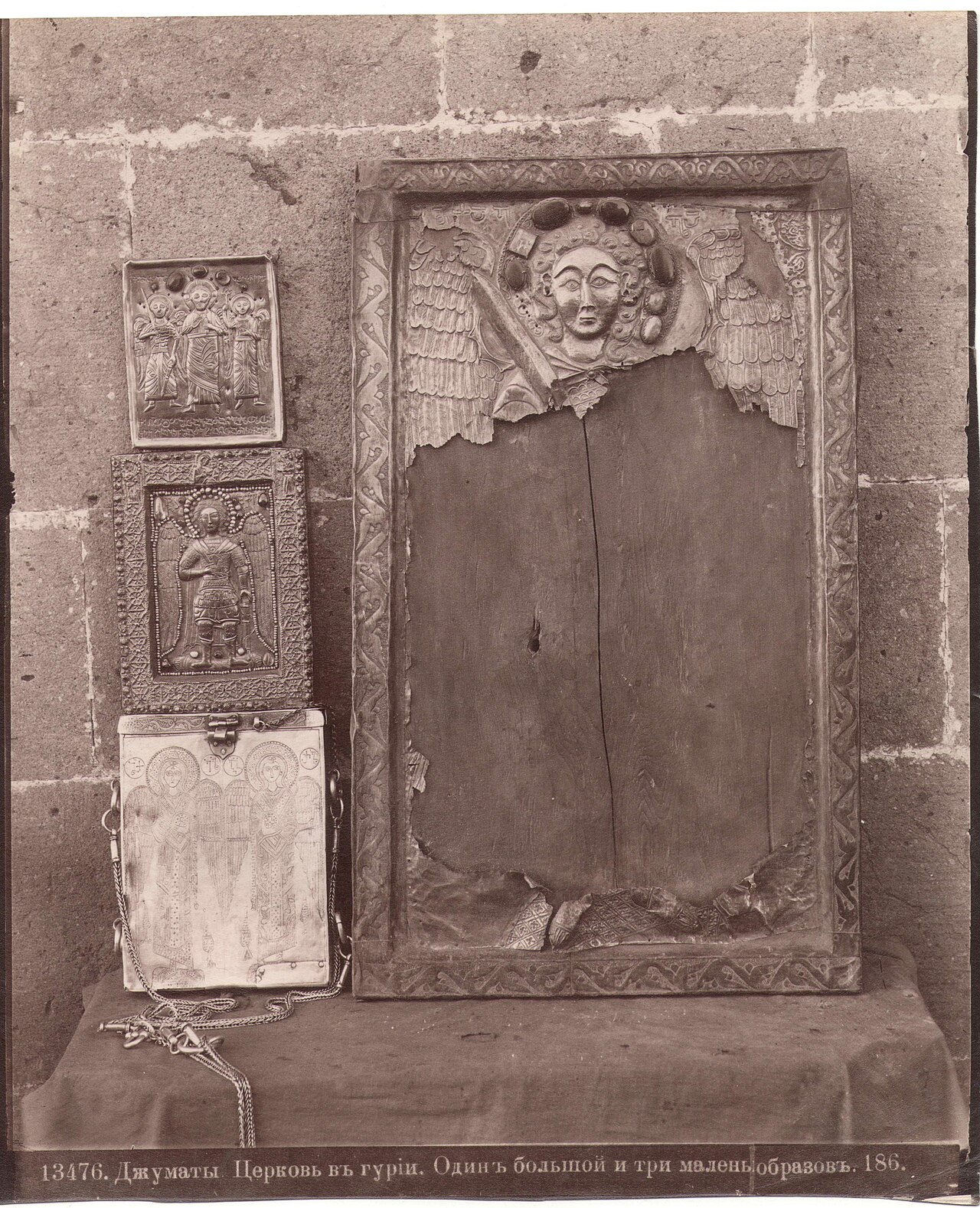

Erkota
The historic village of Erkota (ერკოტა) lies in Meskheti. It is mentioned as early as the 13th century, in the Vahanis kvabta gangeba (ვაჰანის ქვაბთა განგება), the rule of the Vahani caves. Today it belongs to Aspindza (ასპინძა) municipality and lies on the border with Adigeni (ადიგენი). Some records wrongly place it in Akhaltsikhe (ახალციხე) or Adigeni district. The medieval Church of the Transfiguration still stands at Erkota. In the 1960s the village was emptied, officially because it had no road, and its people were resettled in the town of Aspindza. Another account links this to the period after the deportation from Meskheti in 1944. People from Erkota still keep their ties with the deserted village they come from.
Erkota
- 1595 A
15. სოფელი ერკოტა … ვარძელ გიორგისძე, პაპუნა ბერისძე, სამადა იოსებისძე, იმარინდო ქეთხუდა … ისფენჯი, 7 კაცი
rendering, not the wording of the record
the 1595 defter lists its householders — „15. სოფელი ერკოტა … ვარძელ გიორგისძე, პაპუნა ბერისძე, სამადა იოსებისძე, იმარინდო ქეთხუდა … ისფენჯი, 7 კაცი" (Jikia 1941, p. 138)
- 1960s B
გასული საუკუნის 60-იან წლებში … ერკოტელები ასპინძის რაიონულ ცენტრში ჩამოგვასახლეს
rendering, not the wording of the record
The village was emptied into the town of ასპინძა (Aspindza), dated by the local newspaper's own account to the 1960s — „გასული საუკუნის 60-იან წლებში … ერკოტელები ასპინძის რაიონულ ცენტრში ჩამოგვასახლეს" (C0820)
- C
მესხეთში (ახალციხის რ-ნი) ბერიძეზე ასეთი თქმულება არსებობს: „სოფელ ერკოტის უმრავლესობა გვარად არიან ბერიძეები, რომლებიც ერთი ბერისაგან მოშენებულან. თათრების შემოსევის დროს ეს ბერი გამოქცეულა ზარზმიდან, თათრებს ეჭვი რომ არ მიეტანათ, ამიტომ სოფელ ერკოტში უთხოვია ცოლი, მიუყვია ხელი გლეხობისათვის და ჩუმად დარბაზებში მაინც სწირავდა ხოლმეო. გვარად კი დაწერილა ბერიძე. დღეს ამ გვარეულობას ეძახიან ზანდარიენთს, უფრო უწინ კი ეძახდნენ ზარზგიენთს“.
rendering, not the wording of the record
Recounts a legend from Meskheti about a monk fleeing from Zarzma to Erkota to escape Tatar invasions, marrying, and starting the Beridze line there.
- 1944–1961 A
Merab Beridze (2011, p. 131): Erkota began to empty in 1944, after the Muslims were deported from Meskheti; a few families moved to Aspindza and this migration went on until 1947. In 1959–1961 the whole remaining population was resettled into one quarter of Aspindza on the right bank of the Mtkvari, still called the Erkota quarter.
- 1944 A
ერკოტის დაცარიელება დაიწყო 1944 წლიდან, როდესაც. მაპმადიანები გაასახლეს მესხეთიდან.
rendering, not the wording of the record
Erkota began to empty in 1944, when the Muslims were deported from Meskheti. First half of Merab Beridze's account of the depopulation, claim m210.
- A
ერკოტაში ყველაზე დიდი გვარი ბერიძეთა. გვარი იყო
rendering, not the wording of the record
The Beridzes were the biggest family in Erkota; the run leads into the list of Beridze-named quarters. Claim m213.
- A
ვარნეთში მცხოვრებთა ძირითადი შტო იყო მახარააანი, რო– „გორც ზანდარაანი (ბერიძეები) ერკოტაში
rendering, not the wording of the record
The Zandaraani (Beridzes) were the main branch at Erkota, as the Makharaani were at Varneti. Claim m214.
- 1882 A
ივ. გვარამაძე ერკოტის შესახებ მიუთითებს, რომ იქ 14 კომლი 8 'დებელი ქართველი და ერთი ოჯახი მაჰმადიანი ცხოერობ!
rendering, not the wording of the record
Ivane Gvaramadze (1882) counts 14 Orthodox Georgian households and one Muslim family at Erkota. OCR slips (8 'დებელი, ცხოერობ!). First 19th-century household count for Erkota, claim m215.
- 1939 A
1939 წელს ი. მაისუ- რაძე მივლინებით იყო სამცხე-ჯავახეთის სოფლებში. გვარებს, ტოპონიმებს და ეთნოგრაფიულ მასალას იწერდა. იგი სოფელ „კგრკოტის შესახებ ამბობს, რომ ცხოვრობენ შემდეგი გვარები: ბერიძე, ხატიძე, ტივაძე, ხმალაძე, ცალქალამანიძე, ინასარიძე. მათთან ერთად 5 კომლი მაჰმადიანიც ცხოვრობს
rendering, not the wording of the record
In 1939 Ilia Maisuradze recorded the families of Erkota (OCR კგრკოტის): Beridze, Khatidze, Tivadze, Khmaladze, Tsalkalamanidze, Inasaridze, plus five Muslim households. Claim m208.
- 1981 B
ერკოტის ფერისცვალების ტაძარი
rendering, not the wording of the record
Title of Berdzenishvili's 1981 photograph: the Transfiguration church of Erkota. The village about twenty years after it emptied, claim m223.
- B
ერკოტას ეკლესია და სამრეკლო
rendering, not the wording of the record
Heritage register name of object 16429: church and bell tower of Erkota. Gives the site its registry ID, claim m222.
- 1918-1920 A
სამსონ ნიკოლოზის ძე ბერიძე, 31 წლის, ცოლიანი; ერკოტა (1923 წე: 1918 წლის მარტში ადგილობრივმა თათრებმა ურავლის და იდუმალის საზოგადოებიდან იძულებული გაგვხადეს დაგვეტოვებინა სახლ-კარი და გავქცეულიყავით საქართველოსკენ.
rendering, not the wording of the record
In the protocol of 23 March 1920 Samson Nikolozis dze Beridze, 31, of Erkota, says local Muslims from the Uravli and Idumala communities forced the villagers to leave their homes and flee in March 1918.
- Aspindza B
ფერისცვალების ეკლესია
Micro-toponyms
Dialect and toponymic dictionaries record micro-toponyms formed from the surname. In Guria there is a sown field called Saberdzao (საბერძაო). Beridzisouli (ბერიძისოული) is recorded at Khidistavi (ხიდისთავი), and Saberidzao (საბერიძაო) at Kvemo Erketi (ქვემო ერკეთი). In Samegrelo and Abkhazia the names Leberidze (ლებერიძე) and Leberpe (ლებერფე) are on record, as is the quarter of Saberdzao at Kortskheli (კორცხელი). In Keda (ქედა) the name „ზესოფელი-ბერიძეების უბანი“ [rendering: Zesopeli, the Beridzes' quarter] is recorded. Some places sound similar but have no link to the surname. They are Bertubani (ბერთუბანი), Berta (ბერთა), Breti (ბრეთი), Berimitsebi (ბერიმიწები) and Berqena (ბერყენა). These names are sometimes wrongly attributed to the history of the surname.
| Name | Place | Source | Grade |
|---|---|---|---|
| საბერძაო (Saberdzao) | Guria | Mariam Koberidze: ბერ- ძირიანი გვარსახელები გურულში; ბერ… | A |
| ბერიძისოული (Beridzisouli) | Khidistavi | Mariam Koberidze: ბერ- ძირიანი გვარსახელები გურულში; ბერ… | A |
| საბერიძაო (Saberidzao) | Kvemo Erketi | Mariam Koberidze: ბერ- ძირიანი გვარსახელები გურულში; ბერ… | A |
| საბერიძეო (Saberidzeo) | Kvemo Erketi | Mariam Koberidze: ბერ- ძირიანი გვარსახელები გურულში; ბერ… | A |
| ლებერიძე (Leberidze) | Samurzakano | იზა ჩანტლაძე, „მარტო ამისთვის ღირდა სიცოცხლე!“ (2016) | B |
| ლებერფე (Leberpe) | Samurzakano | იზა ჩანტლაძე, „მარტო ამისთვის ღირდა სიცოცხლე!“ (2016) | B |
| საბერძაო (Saberdzao) | Kortskheli | იზა ჩანტლაძე, „მარტო ამისთვის ღირდა სიცოცხლე!“ (2016) | B |
| ზესოფელი-ბერიძეების უბანი (Zesopeli, the Beridze quarter) | Keda | საქართველოს საკანონმდებლო მაცნე | B |


New Year
One old obligation reflects the social relations of the feudal period well. A court record published by Dimitri Bakradze (დიმიტრი ბაქრაძე) preserves a note on a New Year custom, a duty owed to a Beridze lord. According to the document, the inhabitants were bound as follows: „ბეგარად გვადევს ხატით მივიდეთ ბერიძესთან ახალ წელს და მივულოცოთ“ [rendering: it is laid on us as a due to come to Beridze with an icon at the New Year and greet him].
ბეგარად გვადევს ხატით მივიდეთ ბერიძესთან ახალ წელს და მივულოცოთ.
English text pending, 2026-09-30
Streets
In modern times a number of streets and institutions bear the names of Beridzes. This is recent history, though, and it does not point to old family seats. Tbilisi has streets named after Vukol Beridze (ვუკოლ ბერიძე) in Sololaki (სოლოლაკი), Vakhtang Beridze (ვახტანგ ბერიძე) in Krtsanisi (კრწანისი) and Boris Beridze (ბორის ბერიძე) in Samgori (სამგორი). Batumi has Zurab Beridze (ზურაბ ბერიძე) Street and Teimuraz Beridze (თეიმურაზ ბერიძე) Street. A memorial to Corporal Teimuraz Beridze has been opened in the village of Kvatia (კვატია) in Khulo (ხულო) municipality. The Beka Beridze (ბექა ბერიძე) Bridge is on the Batumi boulevard. Among educational and medical institutions are the Purtio (ფურტიო) public school named after Levan Beridze (ლევან ბერიძე) and the Adam Beridze (ადამ ბერიძე) diagnostic centre in Ozurgeti (ოზურგეთი).
- Vukol Beridze Street · Tbilisi · ვუკოლ ბერიძის ქუჩა - ვიკიპედია
- Vakhtang Beridze Street · Tbilisi · ვახტანგ ბერიძის ქუჩა - ვიკიპედია
- Boris Beridze Street · Tbilisi · sivrce.ge - ბორის ბერიძის ქუჩა
- Zurab Beridze Street · Batumi · Батуми. Улица Зураба Беридзе
- Teimuraz Beridze Street · Batumi · 2gis - თეიმურაზ ბერიძის ქუჩა
- Memorial to Corporal Teimuraz Beridze · Kvatia · ხულოში, სოფელ კვატიაში, შინდისის გმირის, თეიმურაზ ბერიძის…
- Levan Beridze Public School, Purtio · Purtio · სსიპ შუახევის მუნიციპალიტეტის სოფელ ფურტიოს საჯარო…
- Beka Beridze Bridge · Batumi
- Adam Beridze Diagnostic Centre · Ozurgeti
- The Beridzes' wine cellar · Makhinjauri · Visit Ajara
Beridze, a history of the surname · Places · https://beridze.info/en/places/ (accessed 2026-10-07)places · last updated 2026-10-07 · send a correction